Formula Indie Sessions _ Interview with Mink

What is your earliest memory connected to music?
My parents used to sing lullabies to me. Apparently, I was even sung to while still in the womb. People have told us that some of our songs feel like lullabies for adults—“Piccadilly Mind” is a good example from the record.
‘How did your passion for creating music begin?
I found a guitar in our basement when I was about 11 and started pretending I could play along to the punk rock songs I was into at the time. My passion for storytelling through music really came later—when I was 17 and living in Birmingham, England – so relatively late. Wenzel, on the other hand, has been playing instruments for as long as he can remember. We come from very different artistic backgrounds, which is probably what makes it interesting.
What’s the story behind your current music project?
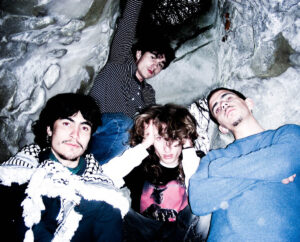
We met while I was studying in Vienna. Wenzel was visiting from Berlin. We connected through music, and when I eventually moved to Berlin, he got me a bar job at the venue where he was working. We’d spend nights watching bands while serving drinks, then head to Wenzel’s bedroom studio during the day to record. Always thinking: we could be on that stage too.
How would you describe your sound to someone who has never heard your music before?
It feels like walking home after a long night out—somewhere between euphoria and melancholy.
What is one thing you’ve learned that completely changed the way you make music? All the clichés are true: kill your darlings, less is more, don’t let perfectionism get in the
way of progress. Go for walks. Limit yourself.
What tools, instruments, or software are essential in your creative process? While recording our upcoming album Return to Sender, we were also building our own
studio from scratch. Something interesting happens when you suddenly have a space for instruments; people start leaving things with you. We ended up using synths we could never have afforded otherwise, along with tape delays and old preamps. That’s very much part of the sound, it feels more alive now.
That said, at the core, you can go a long way with just a good computer, an interface, and a microphone.
Which indie artist or song are you loving right now?
“Say Yes” by Linus Hablot has been on repeat for weeks. I’ve also been really inspired by Chartreuse from Birmingham, and the new record by James Blake is unbelievable.
How have your personal experiences influenced your music and artistic vision?
In every possible way. Music has always been a form of release for me. Recently, we’ve also been writing a lot for theatre, which has been incredibly eye-opening. Working in that context made us rethink how we approach storytelling, intention, and what a live show can be.
What emotions or messages do you hope listeners take from your work? I love music that makes you feel like someone understands exactly what you’re going through. So hopefully there’s a sense of comfort—but also that feeling of being lifted, of being carried forward.
What’s the most important lesson music has taught you so far?
It’s all about communication. Whether it’s words or sound, it has to be a conversation.
What is a dream venue or festival you would love to perform at?
Austin City Limits always looks incredible on YouTube.
If you could collaborate with any artist, past or present, who would it be and why? Justin Vernon—his approach to sound, production, and songwriting would be amazing to experience up close. And also Brian Wilson or Beethoven.
Where can our listeners follow and support your music? (Website,Spotify, IG, links) www.wearemink.com/music
Instagram: mink.music
Looking toward the future, what’s your dream for the next chapter of your musical journey?
A big tour, new music, and more collaborations.
What do you hope listeners will discover about you along the way? That we’re probably a lot happier than our music might suggest.