Formula Indie Sessions _ Interview with Liberia

What is your earliest memory connected to music?
My first musical memory goes back to when I was very young. My mother bought a cassette of “Lambada,” a Brazilian song that was hugely popular at the time. I remember hearing it one sunny Saturday morning or afternoon, while the orange light of the sun covered all the furniture in the house.
How did your passion for creating music begin?
It began through two separate paths that eventually came together. One was as a kid, walking around with a Walkman, imagining that I was the one playing for my friends, my family, and, of course, the girl I liked. The other came later, when I picked up an instrument and reached that moment of discovery — when you find something in a song, a riff, a melody that moves you deeply and makes you want to chase that feeling again and again.
What’s the story behind your current music project?
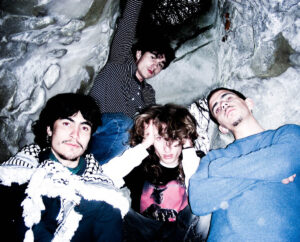
Liberia started after several failed attempts with other bands and projects. Even within this project, there were some rough moments. I (Santiago de la Iglesia) am the only remaining member from the original lineup, as the others gradually moved on. Today, the band is centered around Agustín Mensa and me, along with other musicians who come and go, contributing their own sensitivity and energy.
How would you describe your sound to someone who has never heard your music before?
Our sound carries something of Radiohead and Queens of the Stone Age, but also draws deeply from Argentine artists and traditional folk roots — from Atahualpa Yupanqui to the spirit of tango. These influences might go unnoticed to someone unfamiliar with those genres, but emotionally they’re always present.
What is one thing you’ve learned that completely changed the way you make music?
That music always gives you a second chance. You have to finish your songs and let them go, trusting that the idea that once thrilled you isn’t the best you’ll ever have — because there’s always another, better one waiting to be found.
What tools, instruments, or software are essential in your creative process?
Almost every song starts with an acoustic guitar and vocals, except for a few that began on piano or with a sung melody. Then I bring the ideas to the band, and we work from a demo, layering and expanding the arrangements — usually in Ableton.
Which indie artist or song are you loving right now?
Pile, Andy Shauf, MJ Lenderman, LVrod
How have your personal experiences influenced your music and artistic vision?
In ways I couldn’t explain directly. Even when I write about my most personal and embarrassing experiences, when I feel completely exposed, I know I’m doing it through a character. At some point, the song becomes independent from the emotions that gave birth to it.
What emotions or messages do you hope listeners take from your work?
I hope to move people — to give them chills during the most powerful moments, to surprise them, comfort them, maybe even scare them a little, and ultimately bring them peace.
What’s the most important lesson music has taught you so far?
It might sound cliché, but it’s that the journey matters more than the destination. Making music involves a huge amount of work — writing, recording, rehearsing, performing — and the release of an album or a live show lasts just a brief moment in comparison. Learning to enjoy the process is everything.
What is a dream venue or festival you would love to perform at?
I’d love to play at Luna Park in Argentina.
If you could collaborate with any artist, past or present, who would it be and why?
I’d love to collaborate with David Bowie. He always seemed to be ahead of his time — with sharp instincts for what was coming next, and exquisite taste in how he shaped those ideas while remaining true to himself.
Where can our listeners follow and support your music? (Website,Spotify, IG, links)
- https://tidal.com/artist/10259481/u
- https://www.youtube.com/@liberiamusica
- https://open.spotify.com/intl-es/artist/4ZIizzWtTYNGX6GuRFHamC?si=yfhph9RYQZmL0RvOvdNLqQ
- https://www.instagram.com/liberiamusica/
Looking toward the future, what’s your dream for the next chapter of your musical journey?
In 2026, I’d love for us to play live as much as possible — to take our new album El fin del mundo fue ayer on tour across the country and for the band to grow and become fully self-sustaining.
What do you hope listeners will discover about you along the way?
I hope they sense authenticity — that every song, no matter how crafted or produced, comes from a real place. I’d like them to feel that Liberia’s music is both intimate and expansive, and that it’s made by people who still find wonder in sound.