Formula Indie Sessions Interview with Ray Thompson
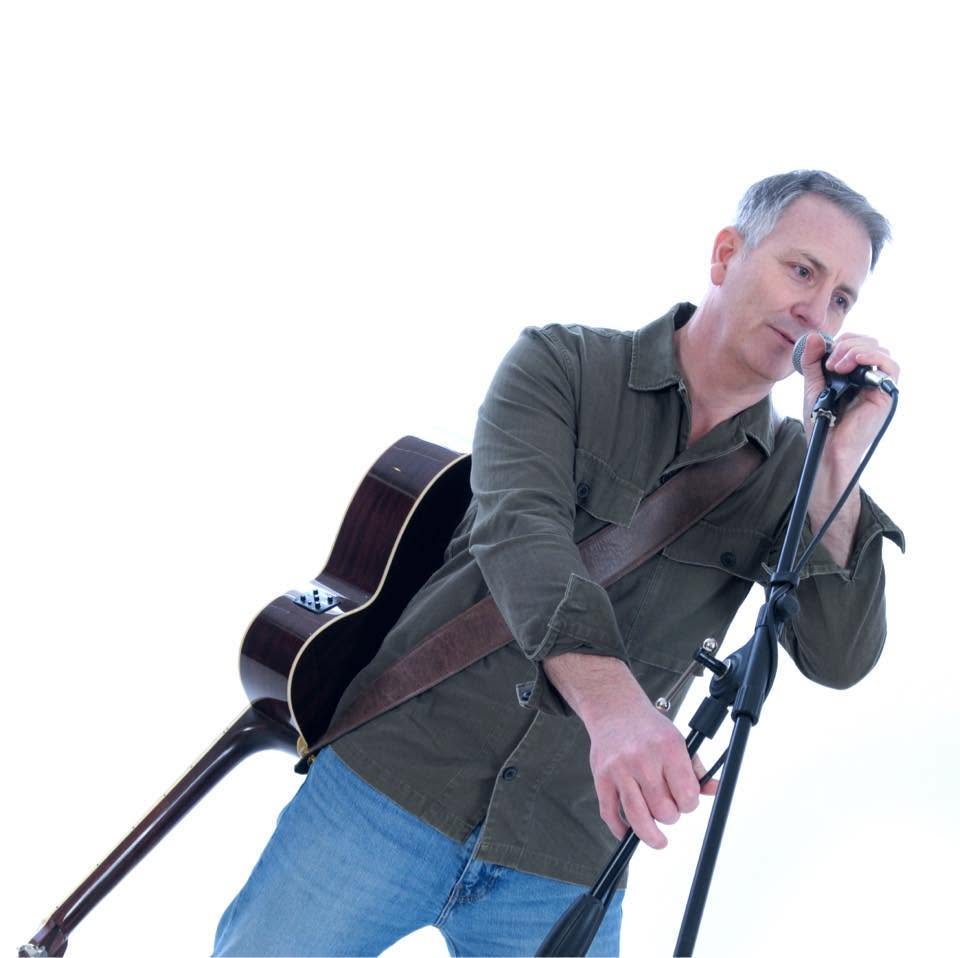
What is your earliest memory connected to music?
My earliest memories of music are really tied to growing up and simply being around songs all the time. I was always singing, even before I properly understood what it meant to write or perform music. I started playing guitar at around 15, and from there it became something I kept coming back to throughout my life. Music was always there, even when work, family and life in general meant I couldn’t give it the time I wanted.
How did your passion for creating music begin?
It really began with wanting to write my own songs rather than just play other people’s. I’ve always been more interested in telling a story or capturing something real than trying to copy whatever happened to be fashionable at the time. Once I realised I could take something I had lived through, thought about or felt strongly about and turn it into a song, that was probably the point where songwriting became more than a hobby.
What’s the story behind your current music project?
My current project is an 11-track album called Late Night On Wardour Street. It is probably the most important body of work I’ve made because it brings together a lot of different parts of my life and songwriting.
The songs deal with relationships, loss, recovery, home, memories, friendship and getting older. Some are very personal, some are reflective, and others are more upbeat, but they all come from something real.
For most of my life music had to fit around a demanding engineering career and raising a family. I’ve reached a point now where I want to give music a genuine chance and see what I can achieve with the right support around me.
How would you describe your sound to someone who has never heard your music before?
I’d describe it as melodic, story-driven singer-songwriter music with elements of indie, rock, acoustic and pop.
The style can change from song to song, but the common thread is always the writing. I like songs to mean something. I’m not trying to fit neatly into one box; I’m more interested in making music that feels honest and that people can connect with.
What is one thing you’ve learned that completely changed the way you make music?
Probably to stop worrying too much about trying to make something sound like what I think people expect.
The older I’ve become, the more I’ve realised that the strongest thing I can bring to a song is my own experience and perspective. If I believe what I’m singing, there’s a much better chance somebody listening will believe it too.
What tools, instruments, or software are essential in your creative process?
The guitar is still the starting point for a lot of what I do. Sometimes a song begins with a chord progression, sometimes a lyric or an idea, and sometimes it is just a rhythm that triggers something.
I also use piano and keyboards more now, and I work with modern recording software when developing songs and arrangements. But I still think the most important tool is the song itself. If the song doesn’t work with just a voice and an instrument, adding more production usually won’t fix it.
Which indie artist or song are you loving right now?
I listen to quite a broad range of music, so I don’t really have one artist that defines what I’m doing.
What tends to catch my attention is artists who still sound like themselves. I’m drawn to strong songwriting, distinctive voices and music where you can hear some personality rather than something that feels overly manufactured.
How have your personal experiences influenced your music and artistic vision?
Massively. Most of my songs come from things I’ve lived through, people I’ve known or situations that have stayed with me.
There are songs about marriage, separation, friendship, grief, addiction, family, returning home, getting older and looking back at decisions you made when you were younger.
I’ve had a long life outside music as well, working in engineering, travelling, raising four children and dealing with the normal ups and downs of life. All of that gives me things to write about. At this stage, I think my age and life experience are actually part of what makes my songwriting different.
What emotions or messages do you hope listeners take from your work?
More than anything, I hope people recognise something of themselves in the songs.
I don’t necessarily want to tell listeners what they should feel. If a song makes someone remember a person, a place or a period in their own life, then it has done its job.
There is a lot of reflection in my writing, but also hope. Even some of the darker songs usually have a sense of moving forward somewhere inside them.
What’s the most important lesson music has taught you so far?
To keep going.
Music is full of rejection, waiting and uncertainty, and there are plenty of times when nothing seems to happen for a long period. But a good song can stay with you for years.
I’ve learned that progress doesn’t always happen on the timetable you want it to. You just have to keep writing, keep improving and keep putting the music in front of people.
What is a dream venue or festival you would love to perform at?
There are plenty of huge venues that anybody would love to play, but for me the real dream is probably less about one specific stage and more about playing to an audience that genuinely wants to hear the songs.
That said, performing at one of the major UK festivals would be incredible. To stand on a stage and hear people singing back songs that started with me sitting alone with a guitar would be a pretty special moment.
If you could collaborate with any artist, past or present, who would it be and why?
I’ve always admired artists who can make simple songs feel enormous.
Someone like Noel Gallagher would be fascinating to work with because of the way he can create melodies and choruses that connect with huge audiences while still keeping the songs direct.
I’d also love to work with somebody from a completely different musical background, because sometimes the most interesting collaborations come from two people approaching music in very different ways.
Where can our listeners follow and support your music? (Website, Spotify, IG, links)
The best place to start is my website: raythompsonmusic.com
You can also find me on Spotify, Apple Music, YouTube, Instagram, Facebook, TikTok and X under Ray Thompson / @raythompmusic.
The website also brings everything together in one place, including music, press material, news and contact information.
Looking toward the future, what’s your dream for the next chapter of your musical journey?
My goal now is very simple: I want to find out how far I can take the music.
For a long time engineering was my main career and music had to fit around everything else. I’m now at a point where I’m ready to change that balance.
I’d like the right manager or team around me, more live opportunities, wider audiences, sync placements and collaborations, and ultimately I’d like music to become my main focus rather than something I have to squeeze around another career.
I’m realistic about how difficult that is, but I also feel that if I don’t properly try now, I’ll always wonder what might have happened.
What do you hope listeners will discover about you along the way?
That the songs are genuine.
I’m not trying to invent a character or pretend I’m 25 years old starting out. I’m someone who has lived quite a lot of life, had successes and mistakes, raised a family, built another career and carried on writing songs throughout all of it.
I hope people discover that it is never necessarily too late to take something seriously that has always mattered to you.
And hopefully they discover a few songs that stay with them as well.